Nothing elevates a cozy meal quite like homemade biscuits bursting with savory flavors; this Stuffing Biscuits Recipe perfectly captures that comforting spirit. Imagine tender, flaky biscuits packed with vibrant vegetables and fragrant fresh herbs, delivering the essence of classic stuffing in every bite. Whether you’re looking to impress at a holiday gathering or simply add warmth to an everyday dinner, these biscuits bring that irresistible stuffing flair wrapped in golden, buttery goodness that will have everyone asking for seconds.
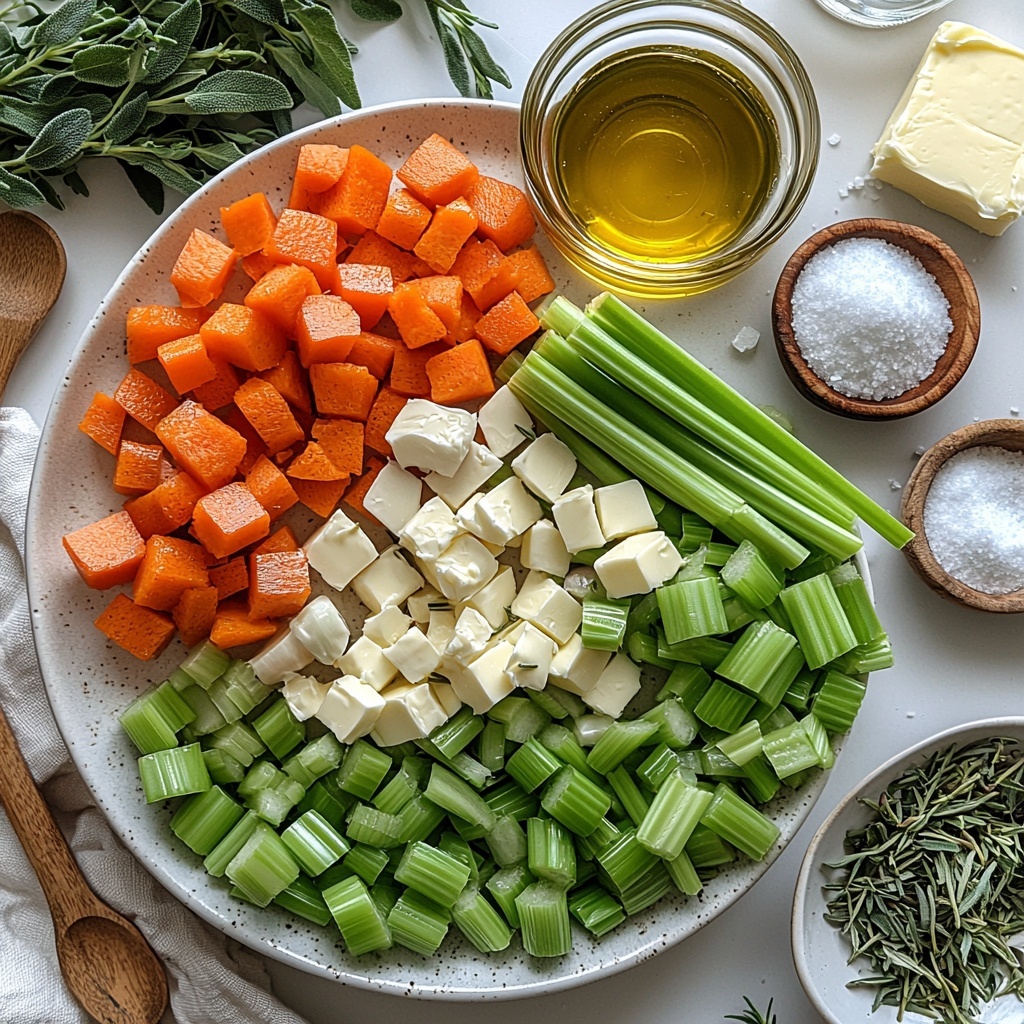
Ingredients You’ll Need
The magic of this Stuffing Biscuits Recipe comes alive through straightforward, fresh ingredients that work harmoniously to create rich texture and deep, comforting flavors. Each component—from crisp celery to aromatic fresh herbs—plays an essential role in building the biscuit’s signature profile, ensuring every bite feels like a warm hug.
- Celery (½ cup, chopped): Adds a subtle crunch and fresh, green flavor that balances richness.
- Onion (½ cup, chopped): Provides natural sweetness and depth, caramelizing beautifully when cooked.
- Carrots (½ cup, chopped): Brings a touch of earthiness and vibrant color to the mix.
- Fresh thyme (1 tablespoon): Offers an herbaceous note that complements the savory elements.
- Fresh sage (1 tablespoon): A classic stuffing herb, lending a warm, slightly peppery aroma.
- Salt (¾ teaspoon, divided): Enhances all the flavors, carefully balanced to keep the biscuits flavorful, not salty.
- Black pepper (¼ teaspoon): Adds a gentle kick to brighten each bite.
- Olive oil (1 tablespoon): Used to sauté the veggies, ensuring tenderness with a silky finish.
- Bread flour (2 cups): The foundation for light, fluffy biscuits with just the right chewiness.
- Baking powder (2 teaspoons): Helps the biscuits rise beautifully to that perfect height.
- Baking soda (½ teaspoon): Works with the buttermilk to tenderize and leaven the dough.
- Granulated sugar (1 teaspoon): Balances flavors subtly and assists in browning.
- Buttermilk (1 ¼ cups): Adds moisture and a slight tang that keeps the biscuits bright in flavor.
- Unsalted butter (8 tablespoons, melted and cooled, divided): For richness inside the dough and a fragrant, golden topping.
- Fresh rosemary (1 teaspoon, chopped): Mixed into the butter glaze to create an intoxicating finish.
How to Make Stuffing Biscuits Recipe
Step 1: Prepare the Vegetable Mixture
Start by adding the chopped celery, onion, carrots, fresh thyme, fresh sage, ¼ teaspoon of salt, and black pepper into a food processor. Pulse gently until the veggies are finely chopped but not mushy—those little chunks create wonderful texture in your biscuits.
Step 2: Sauté the Vegetables
Heat olive oil in a large skillet over medium heat and add the finely chopped vegetable mixture. Cook for 10 to 12 minutes, stirring occasionally, until the vegetables soften and release their natural sweetness. This step builds an intensely flavorful base, so be patient; once done, remove the skillet from heat and let the mixture cool.
Step 3: Preheat Your Oven
Get your oven ready by preheating it to 425 degrees Fahrenheit. This high heat ensures your biscuits will rise beautifully and develop a golden crust.
Step 4: Mix Dry Ingredients
In a large bowl, whisk together bread flour, baking powder, baking soda, sugar, and the remaining ½ teaspoon salt. This combination forms your dry base, with each ingredient contributing to the texture and rise of the biscuits.
Step 5: Combine Wet Ingredients
In a separate bowl, whisk the buttermilk with 4 tablespoons of the melted and cooled butter. This mixture adds moisture, flavor, and tenderness to your dough.
Step 6: Form the Dough
Pour the wet mixture into the dry ingredients and gently stir until a dough just forms. Avoid overmixing to keep your biscuits light. Fold in the cooled vegetable mixture, distributing it evenly without breaking down the texture.
Step 7: Shape the Biscuits
Using a heaping spoon, place 12 dollops of the dough onto a baking stone or sheet. Space them out to allow room for rising and spreading during baking.
Step 8: Bake and Glaze
Bake the biscuits in the preheated oven for 12 minutes until they start to turn golden. While baking, mix the remaining 4 tablespoons of melted butter with the chopped fresh rosemary to make a fragrant glaze.
Step 9: Final Bake for a Perfect Finish
Brush the partially baked biscuits generously with the rosemary butter glaze, then return them to the oven for another 6 to 8 minutes. This final step seals in the moisture while creating an irresistible aromatic crust.
Step 10: Cool and Serve
Once baked to golden perfection, remove the biscuits from the oven and allow them to cool slightly before serving—this ensures the buttery topping sets beautifully.
How to Serve Stuffing Biscuits Recipe
Garnishes
These biscuits are a showstopper with a sprinkle of fresh herbs like chopped parsley or additional rosemary on top. Adding a dollop of softened butter or a smear of creamy cranberry sauce complements their herbal, savory profile wonderfully.
Side Dishes
Stuffing biscuits pair perfectly with roasted turkey, mashed potatoes, and rich gravy, making them ideal for festive dinners. For a lighter meal, serve alongside a fresh green salad or roasted winter vegetables to balance out the rich biscuit flavors.
Creative Ways to Present
Try turning these biscuits into mini turkey sliders for a fun twist at parties. Slice them in half, layer with sliced turkey, a spoonful of gravy or cranberry sauce, and a handful of arugula for a mouthwatering handheld treat. They also make a delicious base for open-faced sandwiches topped with warm leftover stuffing or sausage gravy.
Make Ahead and Storage
Storing Leftovers
If you have leftovers, store the biscuits in an airtight container at room temperature for up to two days. To keep them from drying out, tuck a paper towel inside the container, which absorbs excess moisture and preserves their tender crumb.
Freezing
These stuffing biscuits freeze beautifully. After baking and cooling completely, wrap each biscuit tightly in plastic wrap and place them all in a freezer-safe bag or container for up to three months. This way, you can enjoy a warm, homemade treat anytime without the prep.
Reheating
For best results, reheat biscuits in a 350°F oven for about 10 minutes, uncovered, until warmed through and slightly crisp on the outside. If reheating from frozen, allow biscuits to thaw at room temperature first, then warm them as described to preserve their texture and flavors.
FAQs
Can I use dried herbs instead of fresh in this Stuffing Biscuits Recipe?
Yes, you can substitute dried herbs but be mindful that fresh herbs offer brighter, more vibrant flavors. Use about one-third of the amount called for with fresh herbs when using dried, and add them during cooking to release their aroma.
What type of flour is best for these stuffing biscuits?
Bread flour is ideal for this recipe as it creates a chewy, fluffy texture with good structure. However, if you only have all-purpose flour, it will still work—just expect a slightly softer biscuit.
Can I make this recipe vegan?
You can adapt this Stuffing Biscuits Recipe by replacing the butter with a plant-based alternative and using a vegan buttermilk substitute, such as almond milk mixed with lemon juice. Keep in mind this will alter the traditional flavor and texture slightly.
How do I prevent the biscuits from becoming too dense?
Be gentle when mixing the dough—overworking it develops gluten, making biscuits tough. Also, ensure your baking powder and baking soda are fresh, as these leavening agents are crucial for a light, fluffy texture.
Can I add other vegetables or ingredients to customize these biscuits?
Absolutely! Feel free to experiment by adding finely chopped mushrooms, cooked sausage bits, or even cranberries for a hint of sweetness. Just keep additions finely chopped to maintain the dough’s consistency.
Final Thoughts
This Stuffing Biscuits Recipe is a fantastic way to elevate any meal with minimal effort but maximum flavor. The combination of hearty vegetables, fresh herbs, and tender biscuit texture makes it a true crowd-pleaser you’ll want to make again and again. Trust me, once you try these, they’ll quickly become a new favorite for holiday dinners and cozy everyday meals alike—grab your apron and start baking your way to biscuit bliss!
Print
Stuffing Biscuits Recipe
- Prep Time: 20 minutes
- Cook Time: 20 minutes
- Total Time: 40 minutes
- Yield: 12 biscuits
- Category: Baking
- Method: Baking
- Cuisine: American
- Diet: Vegetarian
Description
These savory Stuffing Biscuits combine classic stuffing flavors like celery, onion, carrots, thyme, and sage, baked into flaky, buttery biscuits. Perfect as a side for holiday meals or transformed into delicious turkey sliders, these biscuits bring a comforting and herby twist to traditional bread.
Ingredients
Vegetables and Herbs
- ½ cup celery, chopped
- ½ cup onion, chopped
- ½ cup carrots, chopped
- 1 tablespoon fresh thyme
- 1 tablespoon fresh sage
- 1 teaspoon fresh rosemary, chopped
- ¾ teaspoon salt, divided
- ¼ teaspoon black pepper
Dry Ingredients
- 2 cups bread flour
- 2 teaspoons baking powder
- ½ teaspoon baking soda
- 1 teaspoon granulated sugar
Wet Ingredients
- 1 tablespoon olive oil
- 1 ¼ cups buttermilk
- 8 tablespoons unsalted butter, melted and cooled, divided
Instructions
- Chop Vegetables: Add celery, onion, carrots, thyme, sage, ¼ teaspoon salt, and black pepper to a food processor. Pulse until finely chopped to create a flavorful vegetable mix.
- Sauté Vegetables: Heat olive oil in a large skillet over medium heat. Add the chopped vegetables and cook for 10-12 minutes until softened and aromatic. Remove from heat and set aside to cool.
- Preheat Oven: Preheat your oven to 425°F (220°C) to prepare for baking the biscuits.
- Mix Dry Ingredients: In a large bowl, combine bread flour, baking powder, baking soda, granulated sugar, and the remaining ½ teaspoon salt thoroughly.
- Combine Wet Ingredients: In a separate bowl, whisk together buttermilk and 4 tablespoons of the melted butter until smooth.
- Form Dough: Pour the wet ingredients into the dry mixture and stir until a dough forms. Fold in the cooled sautéed vegetables evenly.
- Shape Biscuits: Spoon 12 heaping portions of the dough onto a baking stone, spacing them apart for oven expansion.
- First Bake: Bake the biscuits in the preheated oven for 12 minutes until they begin to rise and turn golden.
- Prepare Topping: While baking, combine the remaining 4 tablespoons melted butter with chopped rosemary to make the glaze.
- Apply Glaze: Remove biscuits from the oven and brush the tops generously with the rosemary butter for extra flavor.
- Second Bake: Return the biscuits to the oven and bake for an additional 6-8 minutes until fully baked and golden brown.
- Serve: Remove biscuits from the oven and serve warm with butter, cranberry sauce, gravy, or use them to make turkey sliders.
Notes
- Use bread flour for a chewier and sturdier biscuit texture that holds the stuffing mix well.
- Make sure vegetables are cooled before adding to the dough to prevent melting the butter prematurely.
- Substitute fresh herbs with dried, using about one-third of the fresh amount, if unavailable.
- Baking stones help create a crispier biscuit bottom but can be substituted with an ungreased baking sheet.
- Store leftover biscuits in an airtight container at room temperature for up to 2 days or freeze for up to 1 month.
- Reheat in the oven wrapped in foil to maintain moisture and texture.