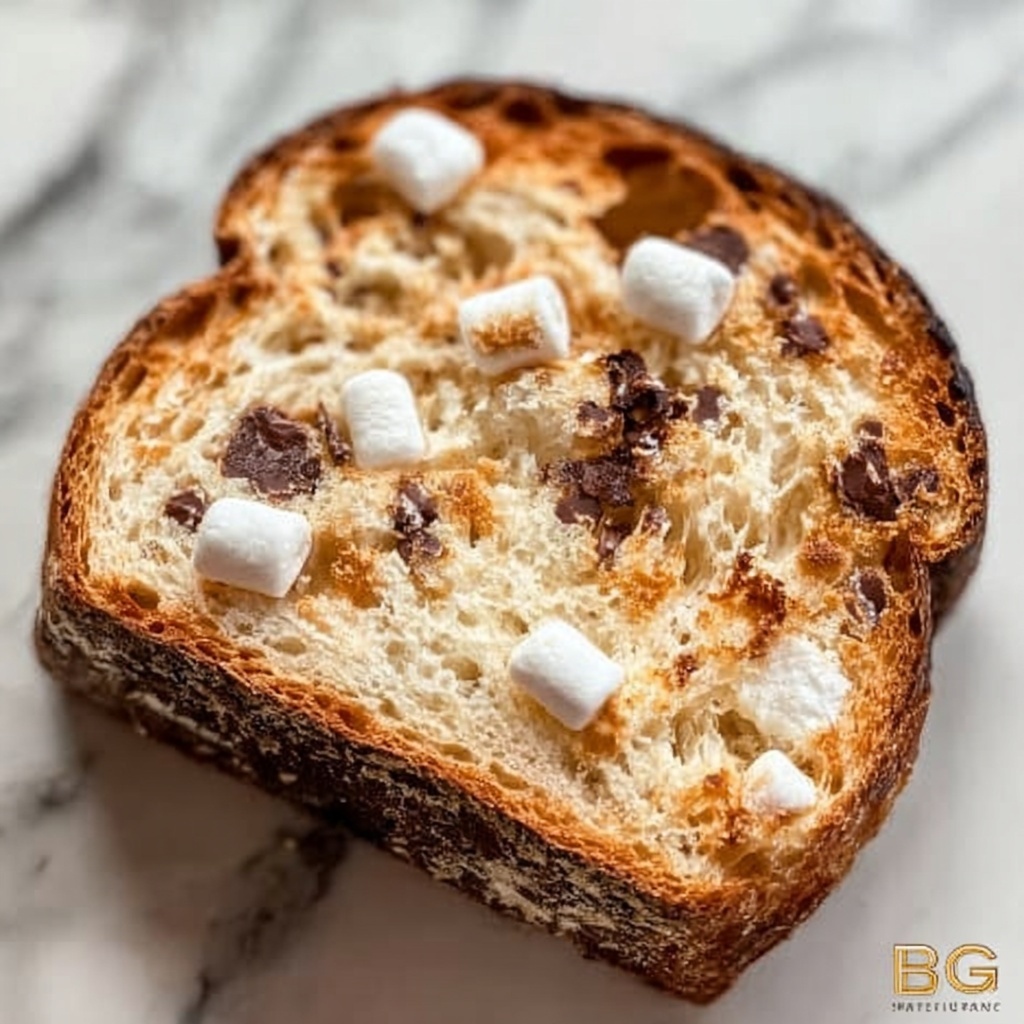
If you have a soft spot for nostalgic campfire treats, wait until you try this S’mores Sourdough Bread Recipe. It brilliantly captures all the gooey, chocolaty goodness of classic s’mores but elevates it into an artisanal loaf bursting with fantastic texture and rich flavor. From the tangy sourdough base to pockets of melted marshmallows and chocolate chips, every bite is a delightful adventure in taste. Whether shared with friends or enjoyed as a comforting breakfast, this bread turns a beloved childhood treat into a grown-up baking masterpiece.
Ingredients You’ll Need
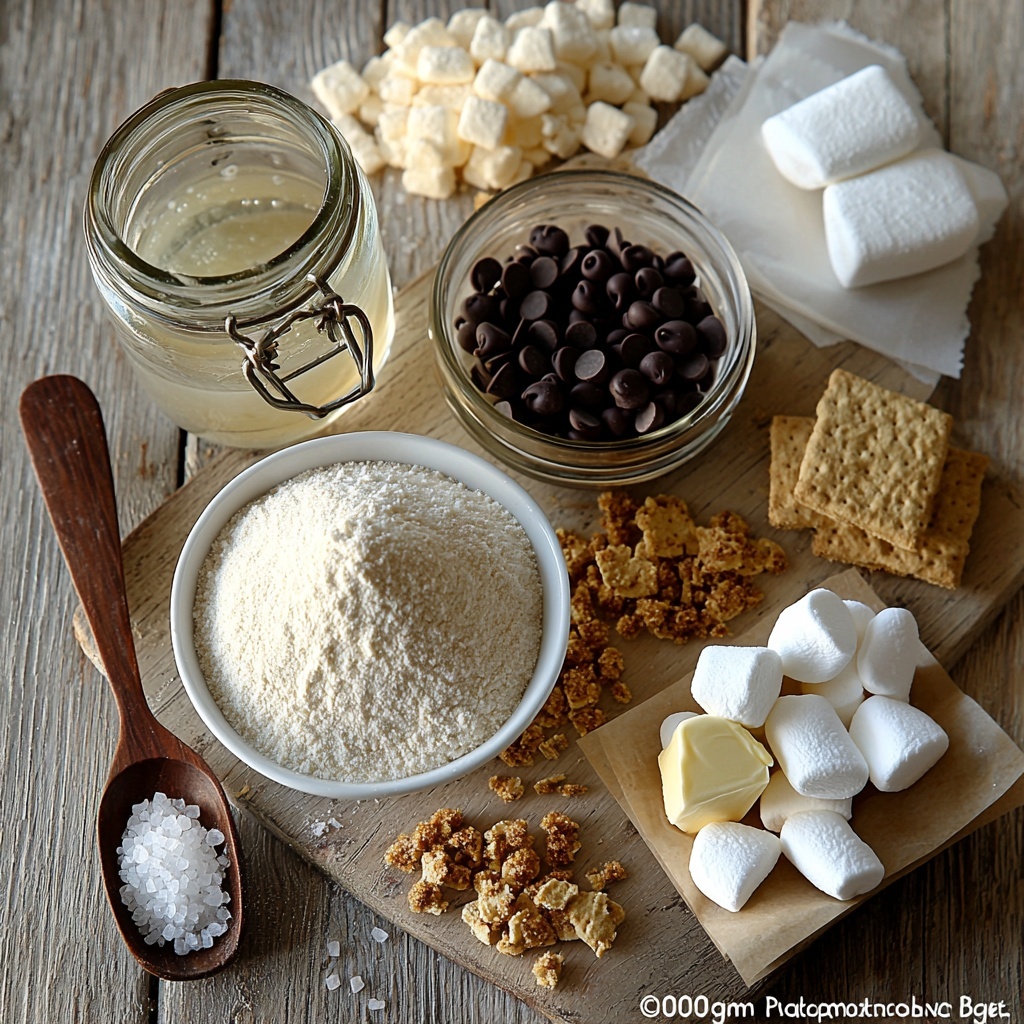
This S’mores Sourdough Bread Recipe relies on a handful of straightforward ingredients, each chosen carefully to build flavor, texture, and that irresistible golden crust. From the bread flour’s strength to the sweet crunch of graham crackers, every component plays a starring role.
- 500 grams bread flour: Provides the strong gluten structure necessary for a chewy, airy crumb.
- 350 grams water: Hydrates the flour and activates the sourdough starter for fermentation.
- 50 grams active sourdough starter: Infuses the dough with natural yeast and a delightful tangy flavor.
- 10 grams salt: Enhances flavor while regulating yeast activity for balanced fermentation.
- 50 grams sugar: Adds a subtle sweetness that complements the s’mores flavors perfectly.
- 100 grams chocolate chips: Melt into rich, gooey pockets that mimic roasted chocolate flames.
- 60 grams marshmallows: Bring that classic sticky sweetness throughout the bread.
- 56 grams unsalted butter: Used to create a luscious graham cracker topping with a golden crisp.
- 4 crushed graham crackers: Add crunch and authentic s’mores flavor when mixed with butter.
How to Make S’mores Sourdough Bread Recipe
Step 1: Mix Your Dough
Start by combining bread flour, water, active sourdough starter, sugar, and salt in a mixing bowl. Stir everything just until a shaggy dough forms. This rough texture means your flour has absorbed the water but hasn’t developed gluten yet. Let it rest for 30 minutes to kick off the autolyse process, improving dough extensibility and flavor.
Step 2: Stretch, Fold, and Add the Goodies
Perform your first stretch and fold to build gluten strength. This involves gently stretching one side of the dough and folding it over the rest. Once you’ve done that, carefully fold in the chocolate chips and marshmallows, spreading them evenly without deflating your dough.
Step 3: Rest and Repeat
Let the dough rest for another 30 minutes, then repeat the stretch and fold step. This stage ensures a well-developed gluten network, trapping those precious air bubbles and giving your bread a wonderful structure and chew.
Step 4: Bulk Fermentation
Allow your dough to ferment at room temperature for 10 to 14 hours. This slow fermentation creates the depth of flavor and slight tang that makes this S’mores Sourdough Bread Recipe stand out. The longer, cooler ferment promotes complex sour notes while the sugars feed the yeast for a beautiful rise.
Step 5: Prepare the Graham Cracker Mixture
While the dough is doing its thing, melt unsalted butter and mix it thoroughly with crushed graham crackers. This mixture will create the iconic crunchy, buttery crust reminiscent of that irresistible campfire treat.
Step 6: Shape and Fold with Graham Cracker Mixture
Shape your fermented dough into a square on a lightly floured surface. Spread the graham cracker butter mixture evenly over the top, then fold the dough over itself to encase the topping. Place the loaf into a proofing basket to hold its shape as it finishes developing.
Step 7: Cold Proof in the Refrigerator
Pop your shaped dough into the refrigerator to cold proof for at least 8 hours. This slows fermentation just before baking, helping your flavors to intensify and your crumb to become even more tender.
Step 8: Preheat and Bake
Preheat your oven to 450℉ with a Dutch oven inside—this creates the perfect steamy environment for your bread. Score the top of your loaf just before baking, then bake covered for 30 minutes. Remove the lid and bake an additional 10 to 15 minutes until the crust is golden brown and crackling with that perfect crunch.
How to Serve S’mores Sourdough Bread Recipe
Garnishes
A dusting of powdered sugar or a gentle drizzle of melted chocolate can turn this bread from amazing to unforgettable. Fresh fruit such as strawberries or raspberries also pairs beautifully, adding a bright, fresh contrast to the richness.
Side Dishes
This bread shines on its own but can also be paired with creamy spreads like mascarpone or sweet cream cheese for breakfast. For a more indulgent treat, serve it alongside a warm cup of cocoa or a spiced chai latte—comfort in every bite and sip.
Creative Ways to Present
Try slicing the bread thick for a nostalgic s’mores sandwich stack, layering with extra marshmallows and chocolate chips between slices. Or toast thick slices and top with a scoop of vanilla ice cream and a drizzle of caramel sauce for a decadent dessert twist.
Make Ahead and Storage
Storing Leftovers
Once cooled completely, store your S’mores Sourdough Bread Recipe in an airtight container or tightly wrapped in plastic wrap at room temperature. It will stay fresh and flavorful for 3 to 4 days, perfect for savoring over several breakfasts or snacks.
Freezing
If you want to keep your bread longer, slice and freeze it in an airtight bag. Frozen slices maintain their quality for up to 2 months. Just pop them directly into a toaster or let them thaw at room temperature before enjoying.
Reheating
To revive the texture and flavors of your stored bread, warm slices gently in a toaster oven or on a skillet over medium heat. This brings back the melty chocolate, soft marshmallow bits, and crunchy graham cracker notes like they were fresh from the oven.
FAQs
Can I use regular yeast instead of sourdough starter?
While this recipe is designed for sourdough’s unique tang and texture, you can substitute with active dry yeast. However, the flavor profile and fermentation times will differ, so adjustments to proofing time are necessary.
Do I have to use marshmallows in the dough?
The marshmallows create that classic s’mores gooeyness and sweetness, but if you prefer, you can omit them or replace with a marshmallow-flavored spread for a less sticky option.
What if my dough is sticky and hard to handle?
Sticky dough is common with high hydration and sweet mixes. Dust your hands and work surface lightly with flour and use gentle folding motions to avoid tearing the dough.
Can I make this bread vegan-friendly?
To make a vegan version, swap unsalted butter for a plant-based alternative and use vegan marshmallows. The sourdough starter and chocolate chips will need to be confirmed as vegan-friendly as well.
How do I know when the bread is fully baked?
Your bread is done when the crust is golden brown and sounds hollow when tapped on the bottom. Internal temperature should reach about 200℉ for a fully baked loaf.
Final Thoughts
There is so much joy wrapped up in every loaf of this S’mores Sourdough Bread Recipe. It’s more than just bread; it’s a delicious celebration of flavors that remind you of cozy evenings by the fire mixed with the artistry of classic sourdough baking. Go ahead and try it—share it—and make magical memories one slice at a time.
Print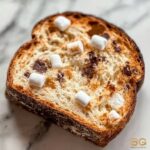
S’mores Sourdough Bread Recipe
- Prep Time: 45 minutes
- Cook Time: 45 minutes
- Total Time: 19 hours 30 minutes
- Yield: 12 servings
- Category: Bread
- Method: Baking
- Cuisine: American
Description
This S’mores Sourdough Bread recipe combines the tangy, chewy texture of sourdough with the classic flavors of s’mores—melty chocolate chips, gooey marshmallows, and a buttery graham cracker crust. Perfect for a unique twist on bread baking, this loaf delivers a sweet and nostalgic treat ideal for breakfast or dessert.
Ingredients
Dough Ingredients
- 500 grams bread flour
- 350 grams water
- 50 grams active sourdough starter
- 10 grams salt
- 50 grams sugar
- 100 grams chocolate chips
- 60 grams marshmallows
Graham Cracker Mixture
- 56 grams unsalted butter
- 4 crushed graham crackers
Instructions
- Mix & Autolyse: Combine bread flour, water, active sourdough starter, sugar, and salt in a mixing bowl until a shaggy dough forms. Let the dough rest for 30 minutes to hydrate the flour and begin gluten development through autolysis.
- First Stretch and Fold with Add-ins: Perform a stretch and fold technique to strengthen the dough. Gently mix in the chocolate chips and marshmallows to evenly distribute without breaking them apart.
- Second Rest & Gluten Development: Let the dough rest for another 30 minutes, then perform another round of stretch and folds to further develop the gluten structure.
- Bulk Fermentation: Allow the dough to ferment at room temperature for 10-14 hours until it has expanded and shows bubbles, indicating fermentation progress.
- Prepare Graham Cracker Mixture: Melt the unsalted butter and combine it with the crushed graham crackers to create a flavorful, buttery mixture.
- Shape & Layer: Shape the dough into a square, spread the graham cracker mixture evenly over the surface, then fold the dough over itself to incorporate the mixture. Place the shaped dough into a proofing basket for support during the final rise.
- Cold Proof: Refrigerate the dough for at least 8 hours to slow fermentation and develop more complex flavors and structure.
- Preheat Oven & Dutch Oven: Preheat your oven to 450℉ (230℃) and place a Dutch oven inside to heat thoroughly.
- Score & Bake: Remove the dough from the fridge, carefully score the top of the loaf to allow controlled expansion, then place it inside the preheated Dutch oven. Bake covered for about 30 minutes to trap steam, then uncover and bake for an additional 10-15 minutes until the crust is golden brown and crisp.
Notes
- Ensure your sourdough starter is active and bubbly before starting for optimal fermentation.
- Handling the marshmallows gently is key to prevent them from melting prematurely during mixing.
- Using a Dutch oven helps achieve a crusty exterior by trapping steam during the initial bake phase.
- Cold proofing enhances flavor complexity and makes the dough easier to score.
- Allow the bread to cool completely before slicing to set the crumb structure.