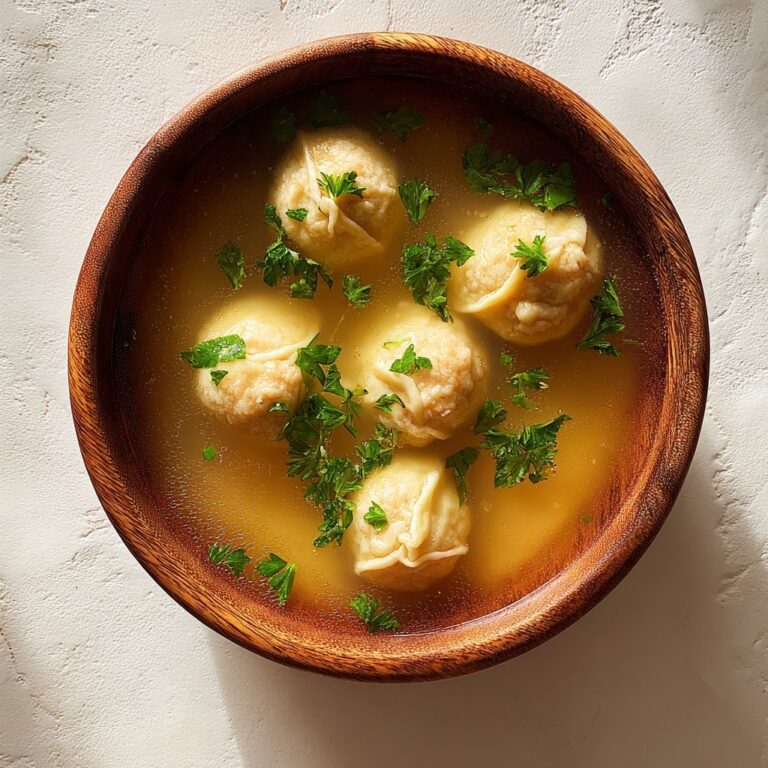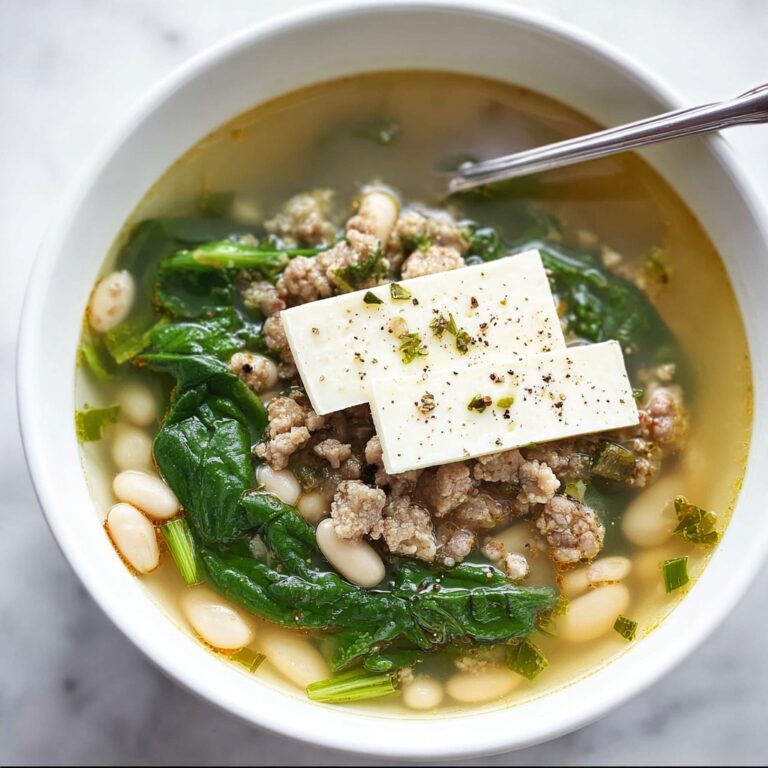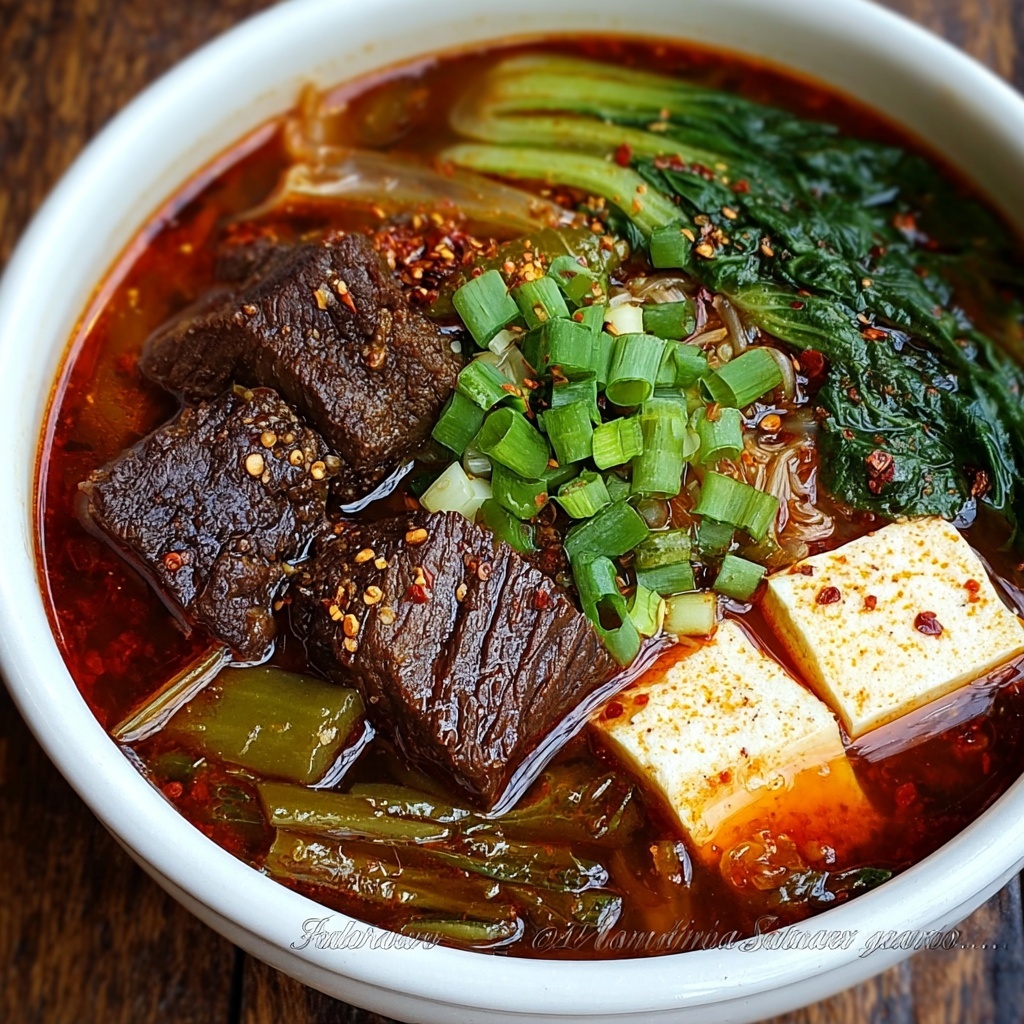
If you’re craving something that wraps you up in warmth and comfort like a soft blanket, this Korean Winter Soup: Heartwarming Comfort in Every Bite Recipe is exactly what you need. Imagine tender beef brisket simmered to perfection in a spicy, smoky broth enriched with vibrant napa cabbage, silky tofu, and the soothing earthiness of daikon radish. Each spoonful delivers a satisfying mix of heat, richness, and freshness that feels like a cozy hug on a cold winter day. This soup is a celebration of simple, hearty ingredients working together to create a bowl of pure joy.
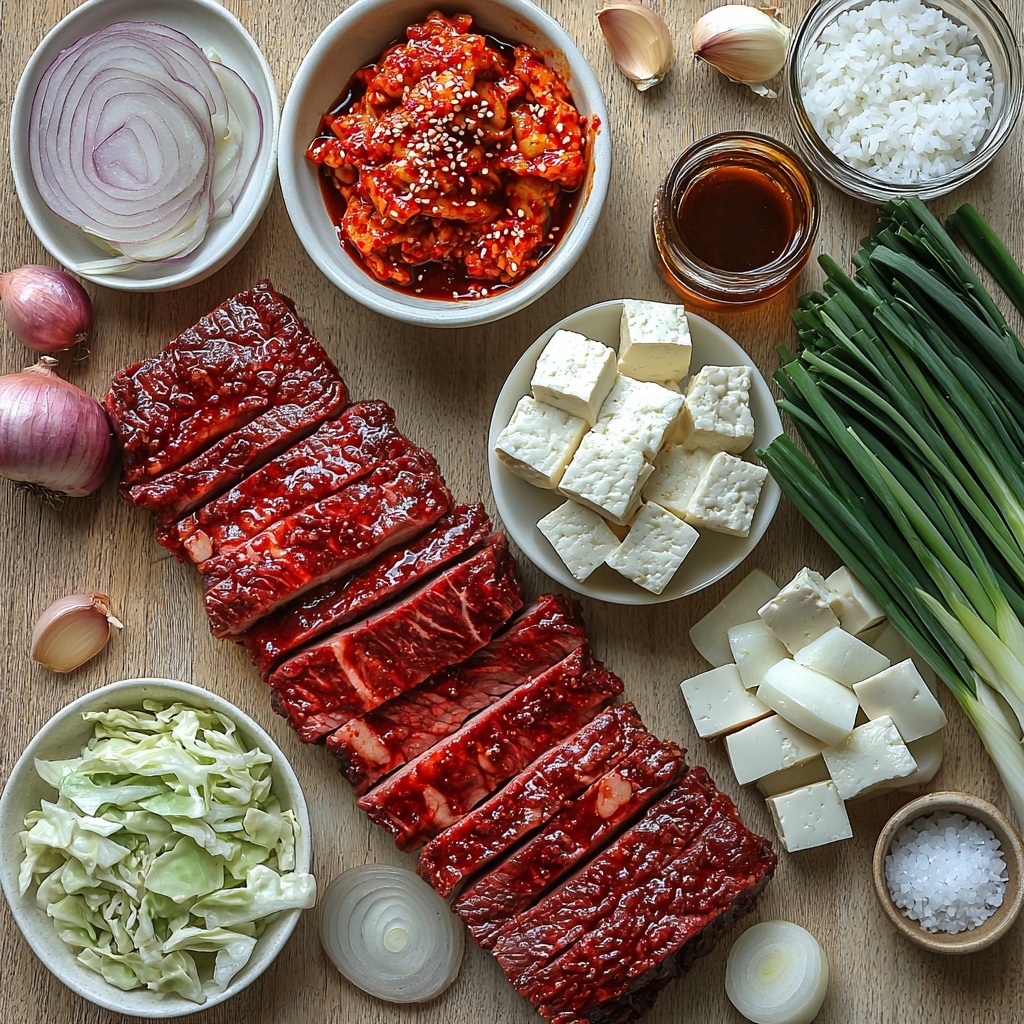
Ingredients You’ll Need
These ingredients are straightforward but mighty in their contribution to the depth and balance of flavor in this Korean Winter Soup: Heartwarming Comfort in Every Bite Recipe. Each component adds its own special touch, whether it’s the umami of beef, the gentle crunch of napa cabbage, or the spicy warmth from the gochujang and gochugaru.
- Beef Brisket (1 lb): Tender, rich beef that forms the soulful base of the soup; chuck roast is a great alternative for more texture.
- Water (8 cups): The foundation of the broth, allowing flavors to meld beautifully without overwhelming.
- Soy Sauce (1 tbsp): Adds a salty, savory backbone to the soup’s flavor profile.
- Korean Red Pepper Paste (Gochujang) (1 tbsp): Infuses a complex spicy-sweet kick that defines the soup’s vibrant character.
- Korean Red Pepper Powder (Gochugaru) (1 tbsp): Offers smoky, fruity heat that elevates the broth with authentic Korean warmth.
- Garlic (4 cloves, minced): Brings an aromatic punch that complements the richness of the beef.
- Onion (1 medium, chopped): Adds natural sweetness and depth to the broth as it simmers.
- Napa Cabbage (2 cups, chopped): Provides a tender crunch while enriching the soup with fresh, leafy goodness.
- Firm Tofu (1 block, cubed): Introduces soft texture and subtle creaminess that balances out the heat.
- Daikon Radish (1 medium, sliced): Its mild pepperiness and slight sweetness add wonderful complexity.
- Sesame Oil (1 tbsp): Used for sautéing, it imparts a toasty, nutty aroma that awakens the senses.
- Scallions/Green Onions (3, sliced): Fresh, bright bursts of flavor that finish the soup with a lively touch.
- Salt & Pepper (to taste): Essential seasonings that balance and elevate all the flavors.
- White Rice (2 cups, cooked): A comforting side that complements the soup perfectly, soaking up every last drop.
How to Make Korean Winter Soup: Heartwarming Comfort in Every Bite Recipe
Step 1: Prepare the Aromatics and Beef
Start by heating the sesame oil in a large pot over medium heat. Add the minced garlic and chopped onions, sautéing until they release their sweet aroma and soften, about 3 minutes. Then, add the beef brisket, browning it lightly on all sides. This step locks in the beef’s juices and flavors, giving your broth a rich foundation.
Step 2: Build the Broth
Pour in the 8 cups of water and bring the pot to a gentle boil. Skim off any foam that rises to the surface for a clearer broth. Stir in the soy sauce, Korean red pepper paste (gochujang), and Korean red pepper powder (gochugaru). These vibrant pastes and powders ignite the broth with layers of heat and sweetness, creating that signature Korean winter soup taste.
Step 3: Add Vegetables and Simmer
Next, toss in the sliced daikon radish and chopped napa cabbage. Lower the heat to a simmer and cover the pot. Let everything cook together for about 30 minutes until the daikon turns tender and the flavors meld beautifully. This slow simmering step is key to unlocking the soup’s heartwarming essence.
Step 4: Incorporate Tofu and Seasonings
Gently add the cubed firm tofu and simmer for an additional 10 minutes, allowing the tofu to soak in the spicy broth without breaking apart. Taste and season with salt and pepper as needed, adjusting to your preference. The tofu brings that soft, creamy texture contrast that rounds out each bite perfectly.
Step 5: Final Touches
Turn off the heat and sprinkle the sliced scallions over the soup. Their fresh, slightly sharp bite cuts through the richness and adds a lovely brightness, making each spoonful exciting and well-balanced.
How to Serve Korean Winter Soup: Heartwarming Comfort in Every Bite Recipe
Garnishes
For extra flavor and texture, consider adding a sprinkle of toasted sesame seeds or a drizzle of toasted sesame oil just before serving. A handful of fresh chopped cilantro or thinly sliced chili peppers can also add a beautiful pop of color and complementary taste to your warm bowl.
Side Dishes
This Korean Winter Soup: Heartwarming Comfort in Every Bite Recipe shines even more when paired with classic Korean sides like kimchi, pickled radish, or a simple seasoned spinach salad. These sides provide tangy, crunchy, and refreshing contrasts that perfectly balance the hearty soup.
Creative Ways to Present
Serve the soup in rustic ceramic bowls that retain heat well, with bowls of steamed white rice on the side to soak up every luscious drop. For a fun twist, offer a small plate of fresh lettuce leaves and ssamjang sauce for wrapping bites of beef and veggies alongside your soup experience.
Make Ahead and Storage
Storing Leftovers
Store any leftover Korean Winter Soup: Heartwarming Comfort in Every Bite Recipe in airtight containers in the refrigerator. It will stay fresh for up to 3 days, allowing the flavors to deepen even further as it rests.
Freezing
This soup freezes beautifully. Portion it into freezer-safe containers and freeze for up to 2 months. Remember to leave some space at the top as the broth can expand when freezing.
Reheating
Reheat gently on the stove over medium-low heat, stirring occasionally. Add a splash of water or broth if the soup has thickened too much. Avoid boiling to keep the tofu from falling apart and to maintain the soup’s silky texture.
FAQs
Can I use a different cut of beef?
Absolutely! While beef brisket is traditional for its tenderness and flavor, chuck roast works wonderfully and adds a slightly different texture. Just allow extra simmering time if needed for tougher cuts.
Is this soup very spicy?
The Korean Winter Soup: Heartwarming Comfort in Every Bite Recipe has a balanced heat level, thanks to the combination of gochujang and gochugaru. You can adjust the spice quantities to suit your taste, making it milder or bolder.
Can I substitute the tofu?
If tofu isn’t your thing, feel free to leave it out or swap it with mushrooms, which add an earthy depth without overpowering the other flavors.
What’s the best way to serve this soup on a cold day?
Serve it piping hot with freshly steamed rice and your favorite Korean side dishes. The warmth and bold flavors will instantly lift your spirits and satisfy your winter cravings.
How long does it take to make this soup?
The recipe requires about 15 minutes of prep time and 45 minutes of cooking, perfectly balancing convenience with slow-cooked richness.
Final Thoughts
There’s something truly magical about the Korean Winter Soup: Heartwarming Comfort in Every Bite Recipe that makes it a treasured dish any time the temperature drops. With every flavorful spoonful, you’ll feel the comforting embrace of Korean home cooking pushing away the cold and filling you with warmth. I can’t wait for you to try this recipe and create your own moments of cozy happiness!
Print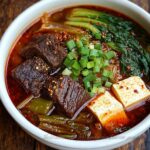
Korean Winter Soup: Heartwarming Comfort in Every Bite Recipe
- Prep Time: 15 minutes
- Cook Time: 45 minutes
- Total Time: 1 hour
- Yield: 4 servings (4 bowls)
- Category: Soup
- Method: Stovetop
- Cuisine: Korean
Description
This Korean Winter Soup is a heartwarming and comforting dish perfect for chilly days. Featuring tender beef brisket simmered with napa cabbage, daikon radish, and tofu in a flavorful broth with a spicy-sweet kick from Korean red pepper paste and powder, this soup is packed with layers of savory depth and nourishing ingredients. Served alongside cooked white rice, it makes a fulfilling and cozy meal for four.
Ingredients
Meat and Broth
- 1 lb Beef Brisket (can substitute with chuck roast for a different texture)
- 8 cups Water
Seasonings and Base
- 1 tbsp Soy Sauce
- 1 tbsp Korean Red Pepper Paste (Gochujang) (gives a spicy-sweet kick)
- 1 tbsp Korean Red Pepper Powder (Gochugaru) (offers smoky, fruity heat)
- 4 cloves Garlic (minced)
- 1 medium Onion (chopped)
- 1 tbsp Sesame Oil (for sautéing)
- to taste Salt
- to taste Pepper
Vegetables and Tofu
- 2 cups Napa Cabbage (chopped)
- 1 medium Daikon Radish (sliced)
- 1 block Firm Tofu (cubed)
- 3 scallions Green Onions (sliced)
For Serving
- 2 cups White Rice (cooked, for serving)
Instructions
- Prepare the beef: Rinse the beef brisket and cut into bite-sized pieces if preferred. This will help the meat cook evenly and absorb the flavors of the broth.
- Sauté aromatics: Heat 1 tablespoon of sesame oil in a large pot over medium heat. Add the minced garlic and chopped onion and sauté until they become fragrant and translucent, about 3-4 minutes.
- Add beef and spices: Add the beef brisket to the pot and sauté for 5 minutes until it begins to brown. Then stir in the Korean red pepper paste (gochujang) and red pepper powder (gochugaru), coating the meat evenly for a balanced spicy and smoky flavor.
- Add liquids and simmer: Pour in 8 cups of water and 1 tablespoon of soy sauce. Bring the mixture to a boil, then reduce heat and let it simmer gently for 30 minutes to tenderize the beef and develop a rich broth.
- Add vegetables and tofu: Add sliced daikon radish, chopped napa cabbage, and cubed firm tofu to the pot. Continue simmering for another 10-15 minutes until the vegetables are tender but still hold their shape.
- Season to taste: Season with salt and pepper according to your preference. Add sliced scallions just before serving to provide a fresh, crunchy contrast.
- Serve: Ladle the hot soup into bowls and serve alongside cooked white rice for a complete and satisfying meal.
Notes
- You can substitute the beef brisket with chuck roast for a slightly different texture but similar flavor.
- Adjust the amount of Korean red pepper paste and powder to your preferred spice level.
- Firm tofu is recommended as it holds its shape better in the soup.
- For a richer broth, you can simmer the beef longer or add a beef bone broth base if available.
- Serve immediately after adding scallions to maintain their freshness and crunch.