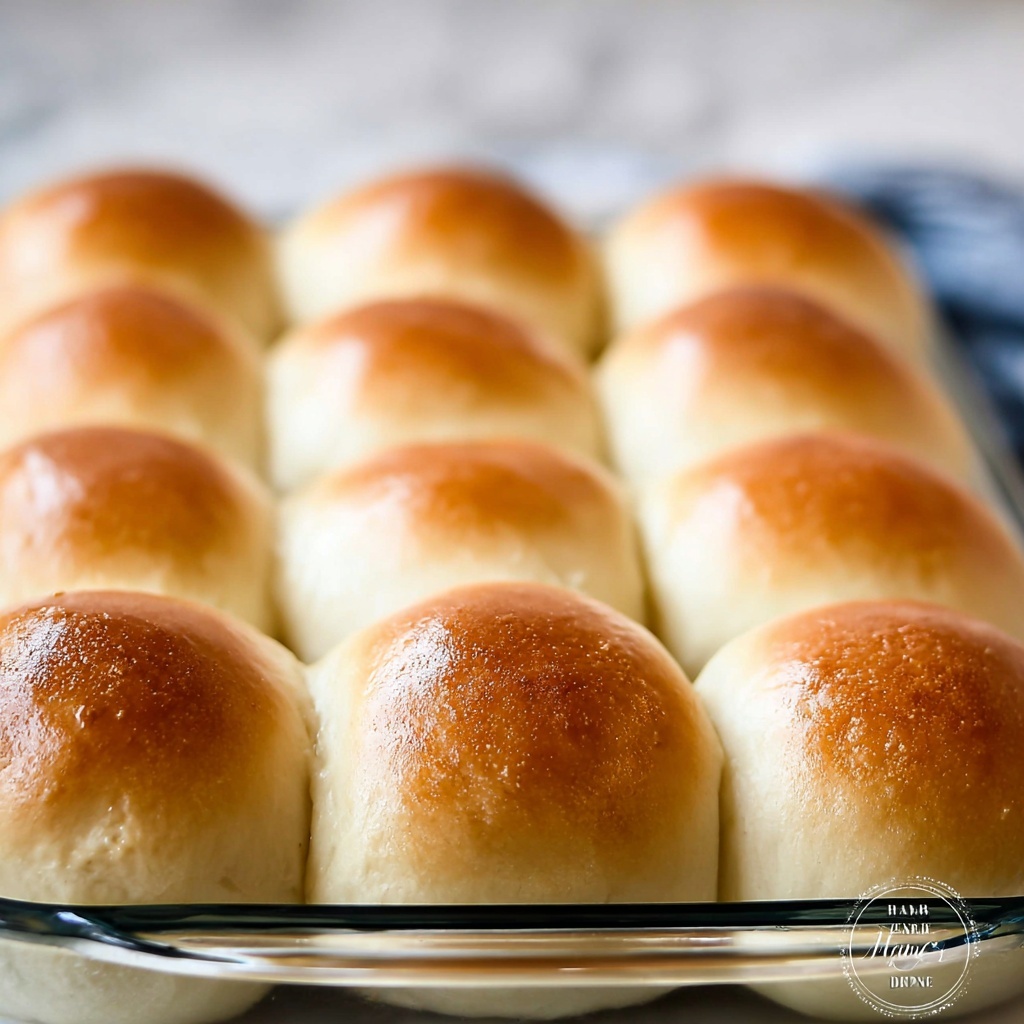
If you’ve ever dreamed of capturing that classic, irresistible bakery aroma right in your own kitchen, this French Bread Rolls Recipe will be your new best friend. These rolls are tender on the inside with a crisp, golden crust, perfect for slathering with butter or pairing with any meal. They are straightforward to make, require simple ingredients, and bring a warm, comforting touch to your table that feels like a hug in bread form. Whether for a family dinner or a special occasion, these rolls will surely impress and satisfy.
Ingredients You’ll Need
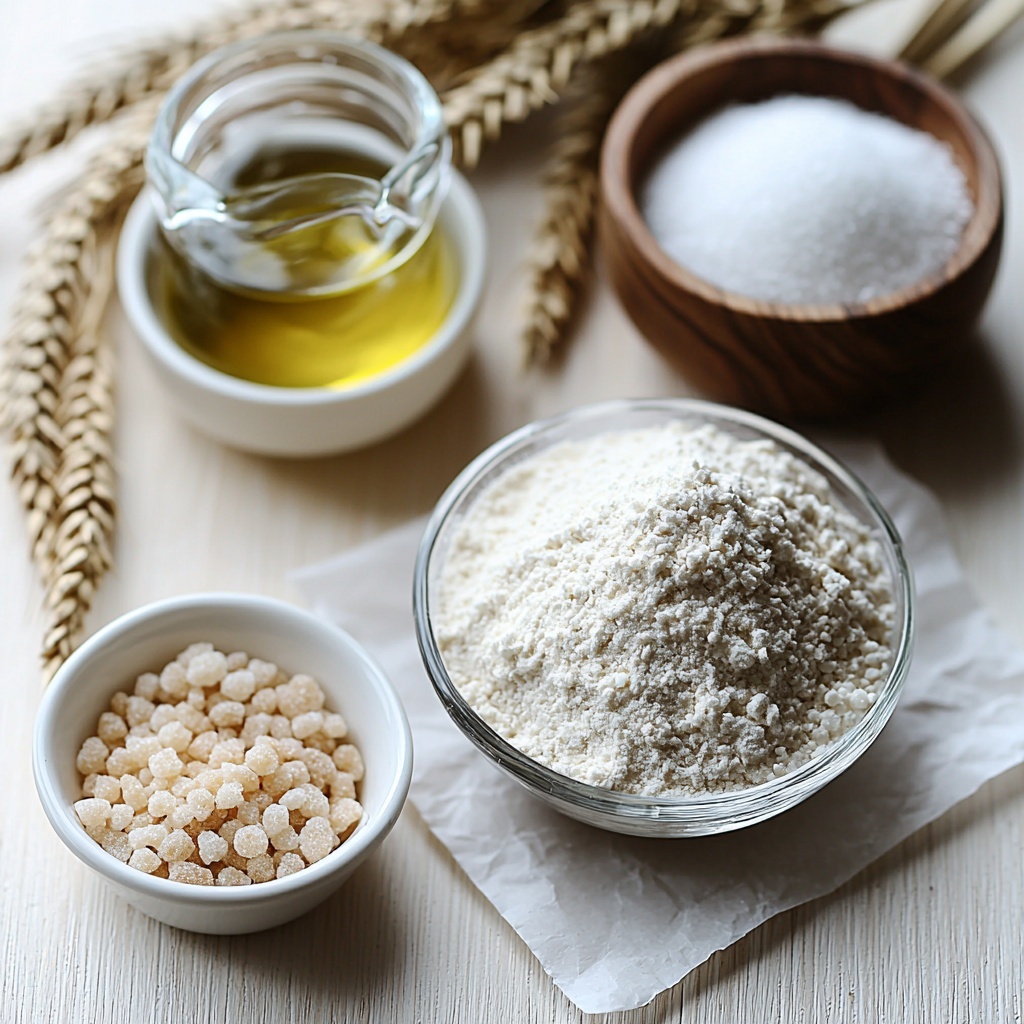
To achieve that perfect balance of flavor and texture in these French Bread Rolls, you’ll rely on a handful of simple but essential ingredients. Each one plays a crucial role in developing the dough’s structure, moisture, and crust color.
- 1 ½ cups warm water: Essential for activating the yeast and hydrating the flour for a tender crumb.
- 3/4 Tablespoon instant yeast (or 1 tablespoon active dry yeast): The leavening agent that gives the rolls their light, airy rise.
- 2 Tablespoons granulated sugar: Adds subtle sweetness and helps feed the yeast for better fermentation.
- 2 Tablespoons vegetable oil: Keeps the dough moist and adds a slight richness to the rolls.
- 1 teaspoon salt: Balances the flavors and tightens the gluten matrix for better texture.
- 4 cups all-purpose flour: The foundation of the dough, providing structure and chewiness.
How to Make French Bread Rolls Recipe
Step 1: Combine Your Basics
Start by mixing the warm water, yeast, sugar, oil, salt, and half of your flour (2 cups) in a stand mixer bowl or a large mixing bowl if you’re doing this by hand. If you’re using active dry yeast instead of instant, let the yeast sit in the warm water and sugar for 3 to 5 minutes until it’s bubbly and foamy before you add the remaining ingredients. This activates it properly and gets your dough ready to rise.
Step 2: Form the Dough
Next, begin incorporating the rest of the flour gradually. Keep adding until the dough pulls away from the sides of the bowl. You might not need all 4 cups—stop once the dough is soft and smooth but still just a little tacky to the touch. This slight stickiness is key for a tender crumb inside the rolls.
Step 3: Knead It Well
Knead the dough until it becomes very smooth and elastic. If you’re using a stand mixer, about 5 minutes on medium speed does the trick. Kneading by hand will take a bit longer, around 8 to 10 minutes—think of it as your workout and meditation time combined, as you build strength and develop that beautiful bread texture.
Step 4: Let It Rise
Lightly grease a large bowl to prevent sticking, then place your dough inside. Cover it loosely with lightly greased plastic wrap. Let it rise at room temperature for about 45 minutes to an hour, or until it has doubled in size. This step builds the airy, soft interior these French bread rolls are famous for.
Step 5: Shape the Rolls
Once risen, gently punch down the dough to release excess air, then turn it onto a lightly greased surface. Divide it into 12 equal pieces and roll each piece into a smooth ball. Place these dough balls on a greased baking sheet or in a 9×13-inch glass pan. Cover again and let them rise until doubled—patience here means perfectly fluffy rolls.
Step 6: Bake to Perfection
Preheat your oven to 400° F. Bake the rolls for 16 to 18 minutes until they develop a beautiful golden-brown crust and are cooked through. When they come out of the oven, rub the tops immediately with butter for that irresistible glossy finish and added richness. Now they’re ready to be enjoyed warm, fresh from your kitchen!
How to Serve French Bread Rolls Recipe
Garnishes
While these rolls are stunning on their own, topping them with a bit of melted butter right after baking enhances their flavor and gives a beautiful sheen. For a little extra flair, sprinkle them with flaky sea salt or some fresh herbs like rosemary or thyme. Garlic butter brushing is another divine choice that always impresses guests.
Side Dishes
French bread rolls pair exceptionally well with hearty soups like tomato basil or creamy chicken chowder. They also shine alongside rich stews and roasted meats, providing the perfect vehicle to soak up delicious sauces. Make a sandwich with them using sliced turkey, ham, or your favorite cheese for a quick and tasty meal.
Creative Ways to Present
Try serving these rolls in a rustic basket lined with a cloth napkin to give a warm, inviting look. You can also slice them horizontally for mini sliders or tear pieces apart and serve with a variety of dips like herbed olive oil, hummus, or a tangy mustard sauce. The possibilities are endless – they’re a perfect canvas for creativity!
Make Ahead and Storage
Storing Leftovers
If you have any leftover rolls, store them in an airtight container or resealable plastic bag at room temperature. They will stay fresh and soft for about 3 to 4 days. Avoid refrigerating as this can dry them out more quickly.
Freezing
These French bread rolls freeze beautifully. Just place cooled rolls in a freezer-safe bag or container and freeze for up to 3 months. When you want fresh-tasting rolls, thaw them at room temperature before reheating.
Reheating
To reheat, pop the rolls in a preheated 350° F oven for about 8 to 10 minutes, wrapped loosely in foil to prevent overly crisp crusts unless you want that extra crunch. You can also microwave them briefly, but the oven method yields the best texture.
FAQs
Can I use active dry yeast instead of instant yeast?
Absolutely! If you swap in active dry yeast, just dissolve it in the warm water with sugar for 3 to 5 minutes until foamy before mixing everything together. This wakes the yeast up and ensures a good rise.
Why is my dough sticky after adding all the flour?
A slightly sticky dough is actually ideal for soft French bread rolls. If the dough feels tacky but manageable, that means it has enough moisture for a tender crumb. Too much flour can make rolls dense and dry.
Can I double this French Bread Rolls Recipe?
Yes, doubling the recipe works well. Just make sure your mixing bowl has enough space to accommodate larger dough volume and increase rising time slightly as needed.
How do I know when the rolls are fully baked?
Rolls are done when they turn a deep golden brown and sound hollow when tapped on the bottom. Baking for 16 to 18 minutes at 400° F typically yields perfect results.
Can I add herbs or cheese to the dough?
Definitely! Adding herbs like rosemary or grated cheese into the dough before the first rise adds wonderful flavor twists. Just be mindful not to add too much extra moisture to keep the dough’s structure intact.
Final Thoughts
This French Bread Rolls Recipe is a true kitchen gem — simple, satisfying, and absolutely delicious. Once you experience the joy of biting into your own soft, golden rolls fresh from the oven, you’ll never want to buy store-bought again. So gather your ingredients, get your hands floury, and fill your home with the comforting aroma of freshly baked bread. You’ll be so happy you did!
Print
French Bread Rolls Recipe
- Prep Time: 20 minutes
- Cook Time: 18 minutes
- Total Time: 2 hours 16 minutes
- Yield: 12 rolls
- Category: Bread
- Method: Baking
- Cuisine: French
Description
These French Bread Rolls are soft, fluffy, and golden-brown on the outside with a tender crumb inside. Perfect as dinner rolls or for sandwiches, they require simple ingredients and a bit of patience for rising, resulting in delicious homemade bread that’s sure to impress.
Ingredients
Wet Ingredients
- 1 ½ cups warm water
- 2 Tablespoons vegetable oil
Dry Ingredients
- 3/4 Tablespoon instant yeast (or 1 tablespoon active dry yeast)
- 2 Tablespoons granulated sugar
- 1 teaspoon salt
- 4 cups all-purpose flour
For Finishing
- Butter (for rubbing on tops after baking)
Instructions
- Combine Ingredients: In the bowl of a stand mixer or a large mixing bowl, mix the warm water, yeast, sugar, oil, salt, and 2 cups of the flour together. If using active dry yeast, dissolve it in the warm water and sugar first and let it become foamy (3-5 minutes) before adding the remaining ingredients.
- Add Remaining Flour: Gradually add the remaining flour to the mixture while mixing, until the dough pulls away from the sides of the bowl. The dough should be soft, smooth, and slightly tacky but not sticky.
- Knead Dough: Knead the dough using the stand mixer for about 5 minutes or by hand for 8-10 minutes until it becomes very smooth and elastic.
- First Rise: Lightly spray a large bowl with cooking spray. Place the dough inside, cover with lightly greased plastic wrap, and let it rise until it doubles in size, approximately 45 minutes to 1 hour.
- Shape Rolls: Punch down the dough and turn it out onto a lightly greased countertop. Divide into 12 equal pieces. Roll each piece into a smooth ball and place them on a greased baking sheet or a 9×13-inch glass baking pan. Cover rolls with a kitchen towel or lightly greased plastic wrap.
- Second Rise: Allow the rolls to rise until doubled in size.
- Bake: Preheat the oven to 400°F (204°C). Bake the rolls for 16 to 18 minutes, or until they are golden-brown on top and cooked through.
- Finish: Remove the rolls from the oven and immediately rub the tops with butter for a soft, flavorful finish. Serve warm and enjoy!
Notes
- If using active dry yeast instead of instant yeast, proof the yeast by dissolving it in warm water with sugar and letting it foam for 3-5 minutes before adding other ingredients.
- The exact amount of flour needed may vary, so add gradually until the dough reaches the correct consistency.
- Cover dough and rolls with lightly greased plastic wrap or a kitchen towel to prevent drying during rising.
- For softer crust, brush tops with melted butter after baking; for a crustier exterior, skip the butter or brush lightly with olive oil before baking.
- Store extra rolls in an airtight container at room temperature for up to 2 days or freeze for longer storage.