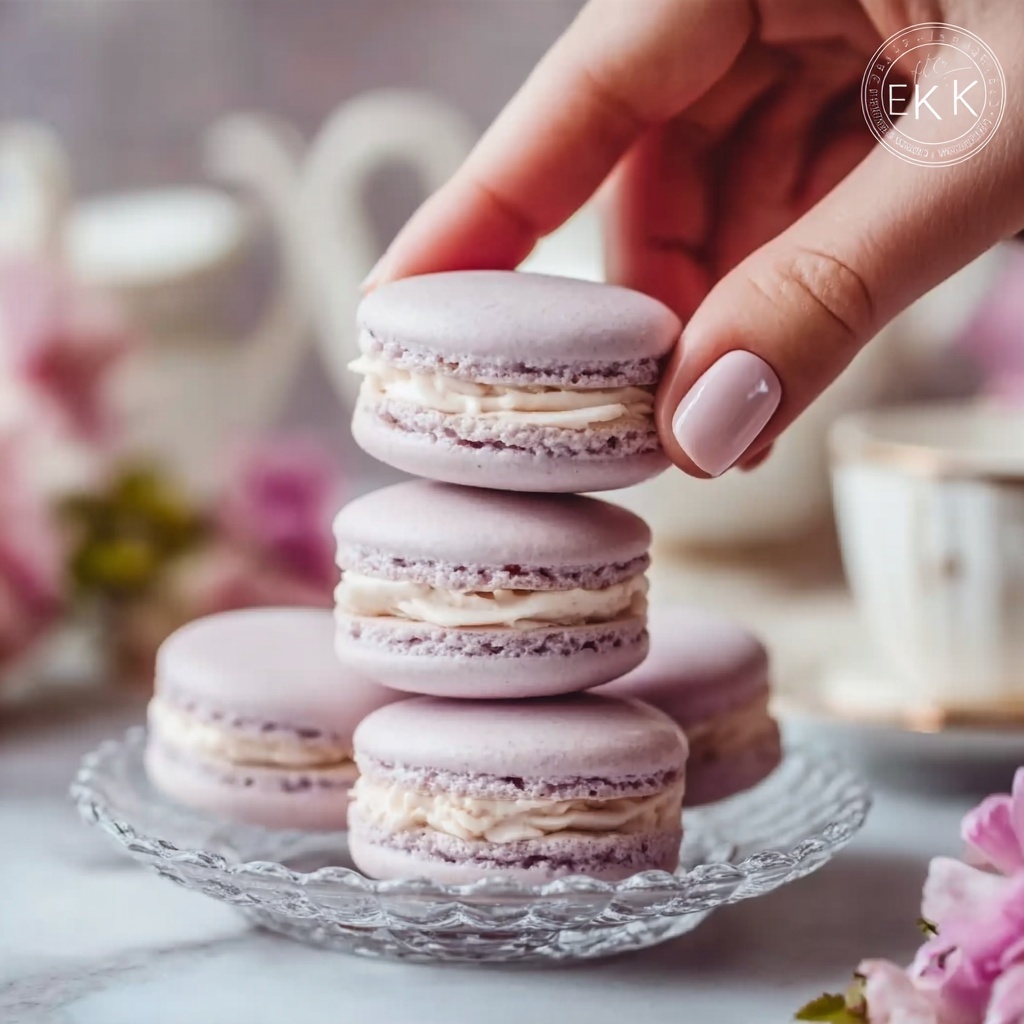
If you have ever dreamed of mastering the perfect delicate treat, this French Macaron Recipe is truly a gem to add to your baking repertoire. These dainty, colorful delights are not only visually stunning but melt in your mouth with a perfect balance of crisp shells and soft, chewy centers. Crafted with almond flour, fine sugar, and a delicate meringue, this recipe captures the essence of French patisserie and transforms your kitchen into a little Parisian bakery with every batch you make.
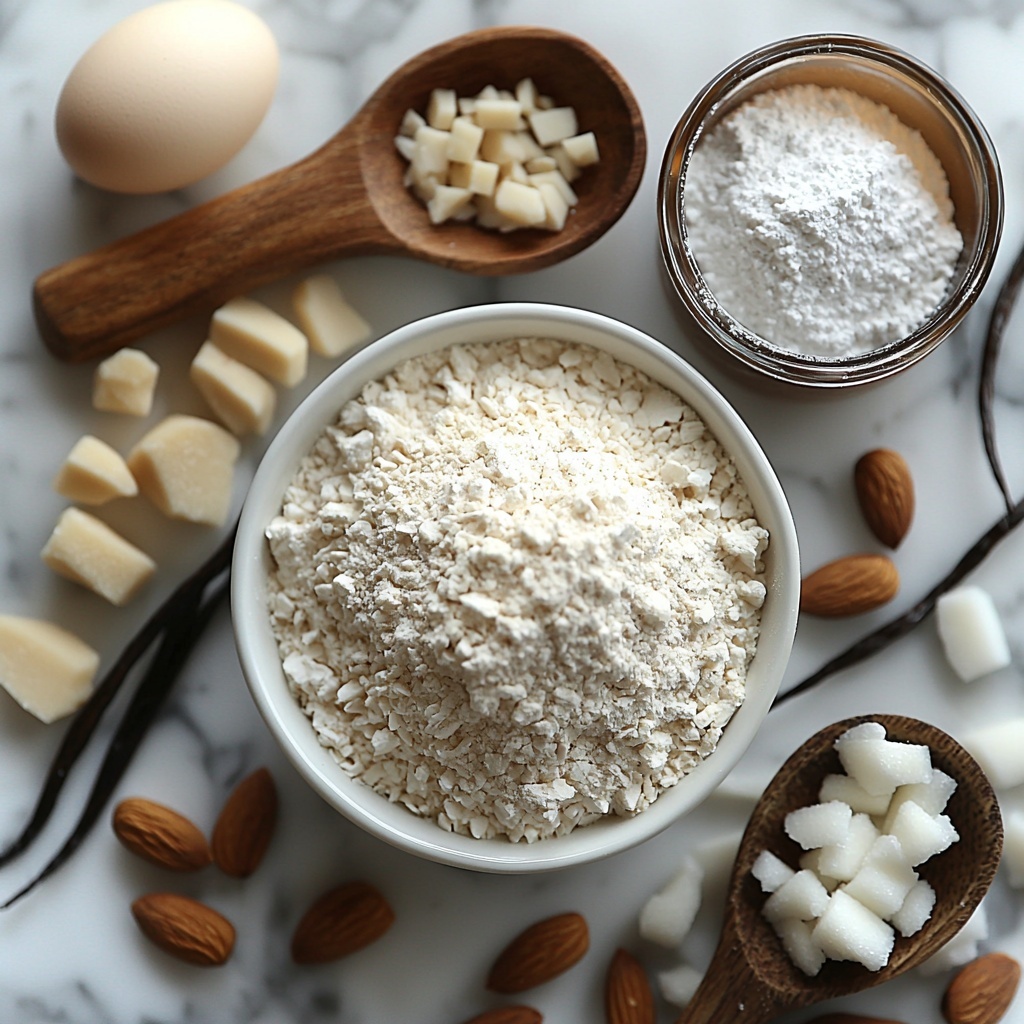
Ingredients You’ll Need
The magic of this French Macaron Recipe lies in its simplicity. Each ingredient plays an essential role in achieving the iconic texture and flavor, from the almond flour’s natural nuttiness to the egg whites’ airy structure that creates the perfect shell.
- 150 grams sifted super-fine almond flour: Provides a smooth, nutty base and ensures a light texture free of lumps.
- 180 grams powdered sugar: Sweetens the macarons finely and helps create that delicate shell surface.
- 1/4 teaspoon salt: Balances the flavors subtly and enhances the sweetness.
- 120 grams large egg whites (room temperature): Essential for whipping into a stable meringue that forms the structure of the shells.
- 60 grams granulated sugar: Stabilizes the meringue to give a glossy finish and crisp shell.
- 4 drops liquid-gel food coloring: Adds playful color without affecting batter consistency.
- 1 teaspoon pure vanilla extract: Infuses a subtle and classic flavor that’s utterly comforting.
- Vanilla Buttercream Frosting or your choice of filling: The creamy center that brings everything together delightfully.
How to Make French Macaron Recipe
Step 1: Prepare Your Piping Bag
Start by fitting your piping bag with a large plain tip—this will help you pipe perfectly round, uniform macaron shells that are the signature look of a professional baker.
Step 2: Mix Dry Ingredients
Sift the almond flour and powdered sugar together thoroughly into a bowl. This step is crucial to ensure your macarons are smooth without any gritty texture, setting the stage for those delicate shells.
Step 3: Whip the Egg Whites
Wipe your mixing bowl with vinegar or lemon juice to eliminate any trace of grease, then add the salt and room-temperature egg whites. Whip them until they become frothy and just starting to get some volume.
Step 4: Make a Stable Meringue
Slowly add the granulated sugar to the egg whites while continuing to whisk. Keep going until stiff peaks form—the meringue should be shiny, stable, and hold its shape when you lift the whisk.
Step 5: Add Color and Flavor
Gently fold in your liquid-gel food coloring and vanilla extract. This is where your macarons start to show their personality, whether you choose classic pastel hues or bold, vibrant tones.
Step 6: Fold in Dry Ingredients
Carefully add the sifted almond flour mixture into the meringue in three parts. Use a folding motion to preserve the airiness while combining everything smoothly—this technique is key to the perfect texture.
Step 7: Adjust Batter Consistency
Now, gently deflate the batter just enough so it flows smoothly like thick lava but isn’t runny. The right consistency ensures that your piped shells spread slightly but don’t flatten out.
Step 8: Pipe the Macaron Shells
Transfer the batter to your prepared piping bag and pipe even, round discs onto a baking sheet lined with parchment paper or silicone mats. Consistency here means consistent baking results.
Step 9: Remove Air Bubbles and Rest
Firmly tap the baking sheet on the counter to pop any air bubbles inside the piped batter, then let the shells rest at room temperature until they form a dry ‘skin’ on top—usually 30 to 60 minutes. This rest helps develop the macarons’ signature “feet” when baked.
Step 10: Bake and Assemble
Bake the shells in a preheated oven at 315°F (157°C) for about 12 to 15 minutes. Once baked, let them cool completely before pairing similar-sized shells. Pipe your vanilla buttercream or preferred filling on one shell and sandwich it with the other—a simple step that creates absolute magic!
How to Serve French Macaron Recipe
Garnishes
While the macarons themselves are stunning, a delicate dusting of edible gold leaf or a few freeze-dried raspberry bits can add a whimsical touch that delights guests visually and texturally.
Side Dishes
Serve these with a cup of elegant Earl Grey tea or a freshly brewed espresso. The slightly bitter warmth of these drinks perfectly complements the sweet, nutty bite of the macarons and rounds out the tasting experience.
Creative Ways to Present
Think beyond just placing them on a plate. Arrange macarons in a colorful tower on a tiered stand or place them in pretty gift boxes tied with ribbon for special occasions—they make incredible edible gifts that show you care!
Make Ahead and Storage
Storing Leftovers
Store macarons in an airtight container in the refrigerator for up to 3 days. This preserves their moisture and keeps the shells crisp rather than soggy.
Freezing
You can freeze assembled macarons by placing them in a tightly sealed container. Defrost in the fridge overnight before serving to maintain their perfect texture and taste.
Reheating
Macarons are best enjoyed cold or at room temperature. If needed, let them sit out for 15-20 minutes to take off the chill; avoid microwaving as it can ruin their delicate crispness.
FAQs
What makes a perfect macaron shell?
The perfect macaron shell is all about balance: crisp on the outside with a shiny surface, and soft, chewy on the inside. Achieving the right meringue stiffness and batter consistency is crucial to this.
Can I make this French Macaron Recipe without almond flour?
Almond flour is essential for the authentic texture and flavor of macarons. Substituting it will likely alter the results significantly, so it’s best to stick with almond flour for this recipe.
Why do macarons sometimes crack during baking?
Cracked shells often result from over-mixing the batter, oven temperature that is too high, or insufficient drying time before baking. Ensuring you fold gently and let shells rest helps reduce cracking.
How do I know when the meringue is ready?
The meringue is done when it forms stiff, glossy peaks that stand straight when you lift the whisk. This means it will hold its shape and support the batter structure.
Why do some macarons lack “feet”?
“Feet” form when the shells develop a thin dry skin before baking and the oven temperature is just right. Not allowing enough resting time or an oven that’s too cold can prevent feet from appearing.
Final Thoughts
There’s truly nothing quite like pulling a tray of homemade macarons from the oven, knowing you created these jewels yourself. This French Macaron Recipe is a wonderful challenge that rewards your patience with elegant, delightful treats that impress every time. So, gather your ingredients, preheat your oven, and dive into the joyful art of macaron-making—you’ll be hooked after your first batch!
Print
Delicious Recipe
- Prep Time: 30 minutes
- Cook Time: 15 minutes
- Total Time: 45 minutes
- Yield: 24 servings
- Category: Dessert
- Method: Baking
- Cuisine: French
- Diet: Gluten Free
Description
This classic French Macaron recipe guides you through making delicate, airy almond meringue cookies with smooth, crisp shells and a soft, chewy interior. Flavored with vanilla and customizable with food coloring, these macarons are filled with a luscious vanilla buttercream or your favorite filling, perfect for elegant desserts or special treats.
Ingredients
Dry Ingredients
- 150 grams sifted super-fine almond flour
- 180 grams powdered sugar
- 1/4 teaspoon salt
Meringue Ingredients
- 120 grams large egg whites (at room temperature, about 4 large eggs)
- 60 grams granulated sugar
- 4 drops liquid-gel food coloring
- 1 teaspoon pure vanilla extract
Filling
- Vanilla Buttercream Frosting or your choice of filling
Instructions
- Prepare Piping Bag: Fit a piping bag with a large plain tip to shape the macaron shells accurately.
- Mix Dry Ingredients: Sift together almond flour and powdered sugar into a bowl, then gently mix to combine evenly, ensuring a smooth batter without lumps.
- Whip Egg Whites: Wipe a glass or metal bowl with vinegar or lemon juice to remove grease, add the salt and room-temperature egg whites, then whip until the mixture becomes frothy, preparing it for meringue formation.
- Make Meringue: Gradually add granulated sugar to the egg whites while continuing to whisk until stiff, glossy peaks form, creating a stable meringue base essential for the macarons’ structure.
- Add Color and Flavor: Gently fold in the liquid-gel food coloring and vanilla extract into the meringue until fully incorporated, giving your macarons vibrant color and delicious aroma.
- Fold Dry Ingredients: Carefully fold the almond flour mixture into the meringue in three additions, preserving the airiness to maintain a light texture.
- Adjust Batter Consistency: Using a spatula, gently deflate the batter just enough so it flows smoothly but is not runny, ensuring it is perfect for piping.
- Pipe Macaron Shells: Transfer the batter to the prepared piping bag and pipe evenly sized rounds onto a baking sheet lined with parchment paper or a silicone mat for uniform shells.
- Remove Air Bubbles and Rest: Tap the baking sheet firmly on the counter to release any trapped air bubbles, then let the shells rest at room temperature for 30 to 60 minutes until a dry skin forms on top.
- Bake Macaron Shells: Bake in a preheated oven at 315°F (157°C) for 12 to 15 minutes until the shells develop their characteristic ‘feet’ and are set properly.
- Cool and Assemble: Allow shells to cool completely on the baking sheet, then pair like-sized shells. Pipe your vanilla buttercream or chosen filling onto one shell and sandwich with the other to complete the macarons.
Notes
- Ensure your mixing bowl is grease-free; even a small amount of grease can prevent egg whites from whipping properly.
- Resting the piped shells to form a dry skin is crucial for developing macarons’ signature feet during baking.
- Use a silicone mat or parchment paper to prevent sticking and promote even baking.
- Room temperature egg whites whip better and help create a stable meringue.
- Folding technique is key; overmixing or undermixing can affect texture and rise.
- Customize colors and fillings to suit your preferences and occasions.