

If you’ve ever wanted to craft a truly exceptional homemade pizza, the secret lies in the crust, and that’s exactly why I’m so excited to share this Sourdough Pizza Dough Recipe with you. Combining the tangy depth of a well-fed sourdough starter with a tender yet chewy texture, this dough transforms any pizza night into something extraordinary. It’s simple to make, uses minimal ingredients, and rewards your patience with a crust that’s crisp on the outside and delightfully airy on the inside—trust me, once you try this, regular pizza dough just won’t cut it anymore.
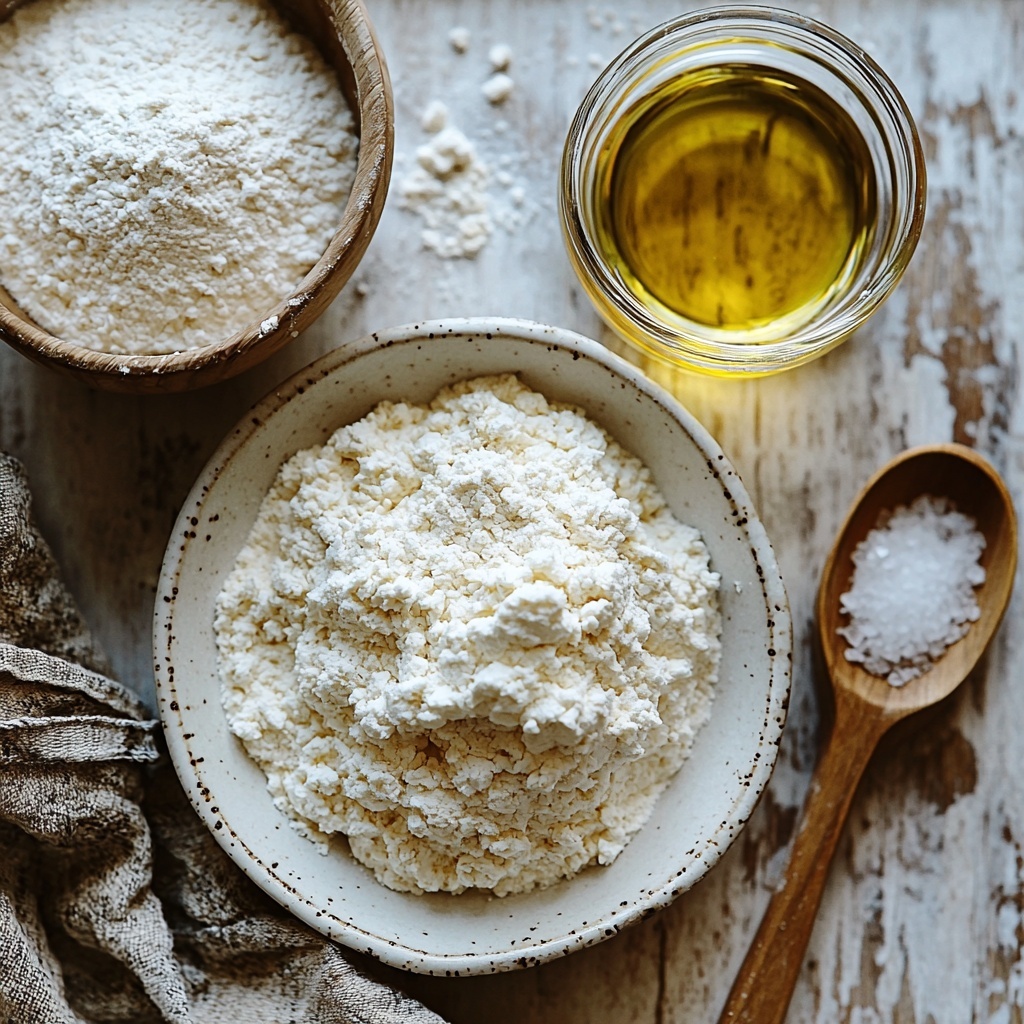
Ingredients You’ll Need
The magic of this Sourdough Pizza Dough Recipe is in its simplicity. Each ingredient plays a vital role—from building structure to developing flavor, these essentials come together to create a perfectly balanced dough that’s both light and flavorful.
- 3 cups all-purpose flour: Provides the perfect balance of protein for a chewy, yet tender crust.
- 1 cup active sourdough starter: Brings that signature tangy flavor and natural leavening power.
- 1 cup lukewarm water: Hydrates the dough just right for elasticity and softness during kneading.
- 2 tsp salt: Enhances the overall flavor and strengthens the dough’s gluten structure.
- 2 tbsp olive oil: Adds richness and helps achieve a golden, crisp exterior.
How to Make Sourdough Pizza Dough Recipe
Step 1: Mix the Dry Ingredients
Start by gathering all your ingredients to ensure a smooth workflow. In a large bowl, whisk together the flour and salt. This even distribution helps the salt season the dough evenly and primes the flour for hydration.
Step 2: Combine Wet Ingredients
Add your active sourdough starter and lukewarm water to the flour mixture. Stir gently but thoroughly until everything just comes together in a shaggy mass. This initial mixing stage sets the foundation for proper gluten development.
Step 3: Knead the Dough
Turn the dough onto a lightly floured surface and knead it for about 10 minutes until it’s smooth and elastic. This kneading develops the gluten network that will hold all those lovely air bubbles during rising and baking.
Step 4: Let the Dough Rise
Place your dough ball in a greased bowl, cover it with a damp cloth, and let it rest at room temperature for 4 to 6 hours. During this time, the wild yeast in the starter works its magic, causing the dough to double in size and developing that unmistakable sourdough tang.
Step 5: Shape Your Dough
Once risen, gently punch down the dough to release excess gas and divide it into two equal portions. Now it’s ready to be stretched or rolled into your preferred pizza shapes—whether thick and fluffy or thin and crispy.
Step 6: Preheat and Prepare to Bake
Set your oven to a blazing 475°F (245°C) so it’s piping hot when you bake your pizzas. Use baking sheets or a pizza stone depending on your equipment. A hot oven is key to achieving that perfect crust crunch with a tender crumb inside.
How to Serve Sourdough Pizza Dough Recipe
Garnishes
The beauty of sourdough pizza lies in pairing it with fresh, vibrant toppings. Consider classics like fresh basil leaves, a drizzle of high-quality olive oil, or a sprinkle of flaky sea salt after baking to amplify those rich dough flavors.
Side Dishes
Keep your sides light and fresh to complement the hearty sourdough crust. A crisp arugula salad dressed with lemon juice or a simple caprese salad pairs beautifully, balancing the robust tang of the dough with bright, refreshing flavors.
Creative Ways to Present
For a fun twist, try serving individual personal pizzas on rustic wooden boards for a cozy vibe or cut into slices and arrange them on a large platter for sharing. The natural texture and color of the sourdough crust make for a beautiful canvas that’s as eye-catching as it is delicious.
Make Ahead and Storage
Storing Leftovers
If you have any leftover pizza dough, wrap it tightly in plastic wrap and store it in the refrigerator for up to 2 days. This allows the dough to continue fermenting slowly, enhancing the sour flavor without sacrificing texture.
Freezing
For longer storage, portion the dough into balls, wrap each one well, and freeze them. When you’re ready to use, thaw the dough in the refrigerator overnight and let it come to room temperature before shaping.
Reheating
Leftover baked pizza tastes fantastic when reheated in a hot oven or on a cast-iron skillet to revive that crisp crust. Avoid microwaving as it tends to make the dough chewy and soggy.
FAQs
Can I use a different type of flour for this Sourdough Pizza Dough Recipe?
Absolutely! While all-purpose flour works wonderfully, you can experiment with bread flour for a chewier texture or a mix of whole wheat flour to add a nutty depth. Just adjust hydration slightly as whole wheat absorbs more water.
How active should my sourdough starter be before using it?
Your starter should be bubbly and have roughly doubled in size within 4 to 6 hours of feeding. This indicates it’s full of active yeast and bacteria, perfect for a great rise and flavor development in your dough.
Can I speed up the rising time of this dough?
You can place the dough in a warmer environment to speed fermentation, but patience pays off here! A slower rise enhances the flavor and texture, so try to plan ahead to get the best results.
What if I don’t have olive oil; can I substitute it?
Yes, you can swap olive oil with a neutral oil like canola or vegetable oil, but olive oil adds a lovely flavor and aroma that complements sourdough beautifully, so it’s worth including if possible.
Is it necessary to punch down the dough after rising?
Gently punching down the dough helps release built-up gas and redistributes yeast, moisture, and sugars for an even texture. It also makes shaping easier, yielding a better overall pizza crust.
Final Thoughts
There’s something truly special about crafting your own pizza dough from scratch, especially when it’s a Sourdough Pizza Dough Recipe that so effortlessly brings complex flavors and perfect texture to your homemade pies. Give this recipe a try—you’ll find every bite a tender celebration of patience, quality ingredients, and love in the kitchen. Once you experience this crust, your pizza nights will never be the same!
Print
Sourdough Pizza Dough Recipe
- Prep Time: 15 minutes
- Cook Time: 10 minutes
- Total Time: 4 hours 25 minutes
- Yield: 4 servings (makes enough dough for two large pizzas)
- Category: Pizza Dough
- Method: Baking
- Cuisine: Italian
Description
This sourdough pizza dough recipe yields a flavorful and chewy crust, perfect for homemade pizza lovers. Made with a tangy active sourdough starter, flour, and olive oil, it requires a few hours of rising time to develop depth in flavor and a delightful texture. Ideal for creating two large pizzas that serve four, this dough delivers a crispy yet tender crust baked to perfection in a hot oven.
Ingredients
Dry Ingredients
- 3 cups all-purpose flour
- 2 tsp salt
Wet Ingredients
- 1 cup active sourdough starter
- 1 cup lukewarm water
- 2 tbsp olive oil
Instructions
- Gather Ingredients: Collect all necessary ingredients including flour, salt, sourdough starter, lukewarm water, and olive oil.
- Mix Dry Ingredients: In a large bowl, combine the all-purpose flour and salt, mixing them thoroughly to evenly distribute the salt.
- Add Wet Ingredients: Add the active sourdough starter and lukewarm water to the flour mixture. Stir everything together until the ingredients are just combined to form a rough dough.
- Knead Dough: Transfer the dough onto a lightly floured surface and knead it for about 10 minutes. Work the dough until it becomes smooth and elastic, which helps develop the gluten for a good pizza crust texture.
- First Rise: Place the kneaded dough into a greased bowl. Cover it with a damp cloth to retain moisture and allow it to rise at room temperature for 4 to 6 hours, or until it doubles in size.
- Shape Dough: After the dough has risen, punch it down gently to release air bubbles. Divide the dough into two equal portions and shape each into a ball or desired pizza base shape.
- Preheat Oven: While preparing your pizza toppings, preheat your oven to 475°F (245°C). Prepare your baking sheets or pizza stones to ensure a hot surface for baking.
Notes
- Ensure your sourdough starter is active and bubbly before using for best results.
- Lukewarm water helps activate the yeast in the starter without killing it.
- Rising times may vary depending on room temperature; warmer environments speed up fermentation.
- Use a pizza stone if possible for a crisper crust.
- Olive oil in the dough helps tenderize the crust and adds flavor but can be omitted for a leaner dough.
- This dough keeps well when refrigerated; allow it to come to room temperature before shaping and baking.